Jump to page 1. Why “Nature Connectivity”? 2. Workplan Objectives 3. Why Locally-Native Plants? 4. Native Plants & Food Webs 5. Mayor Veenker Takes the Monarch Pledge (2026) 6. Palo Alto Comprehensive Plan 2030 7. Palo Alto Comprehensive Plan 2030: Natural Environment Element 8. Natural Connectivity 9. Parks, Trails, Natural Open Space & Recreation Master Plan 10. Parks, Trails, Natural Open Space & Recreation Master Plan 11. Natural Connectivity 12. Parks Plan — Goal 4 13. Parks Master Plan — Projects 14. 2022 Sustainability and Climate Action Plan 15. Sustainability & Climate Action Plan (S/CAP): Natural Environment 16. Green Stormwater Infrastructure Plan (Draft) 17. Green Stormwater Infrastructure Plan 18. Urban Forest Master Plan 19. Urban Forest Master Plan 20. A Perspective on Insects 21. How California Cities Address Urban Biodiversity 22. Biodiversity in Practice: City Programs and Community Partnerships 23. City of Encinitas Native Plant Ordinance (2026) 24. San Francisco Biodiversity Guidelines (2023) 25. San Francisco Green Connections Ecology Guides 26. Mountain View Biodiversity & Urban Forest Plan (2026) 27. Mountain View — Ideas for Consideration 28. Resources for Urban Forest and Biodiversity 29. Resources for Urban Forest and Biodiversity 30. Current Efforts (Regional) 31. Palo Alto Has an Excellent Foundation 32. Next Steps: Analysis and Recommendations
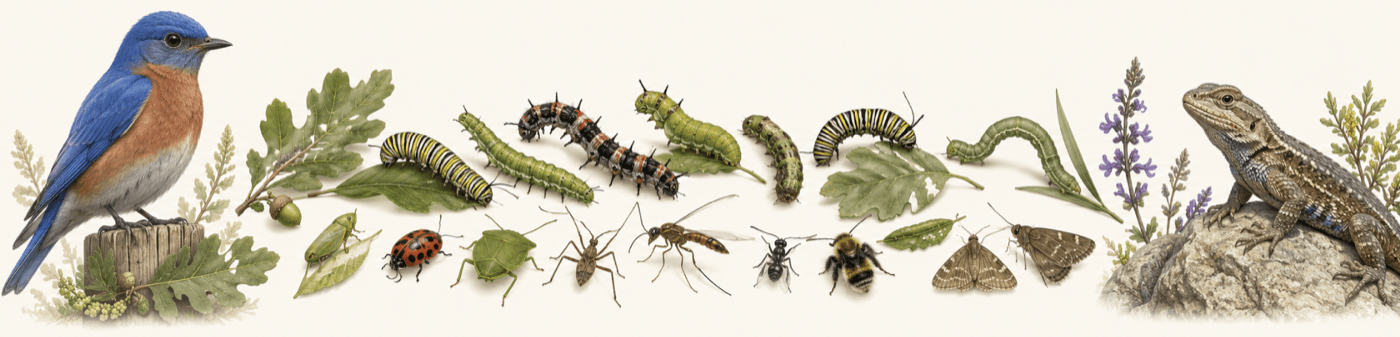
“If all mankind were to disappear, the world would regenerate back to the rich state of equilibrium that existed ten thousand years ago. If insects were to vanish, the environment would collapse into chaos.” ← Urban Forest Master Plan 20 of 32 How California Cities Address Urban Biodiversity →